Can you monetize AI videos on YouTube? What the rules actually say
By Daniel Hughes, Safety, rights and family memories · Updated · 4 min read
the short version
Yes, you can monetize videos made with AI on YouTube, as long as they meet the same rules as any other content: they must be original, add real value and follow the Partner Program policies. What doesn't get monetized is mass-produced, repetitive or reused content with little human input. You also need to disclose realistic AI content in YouTube Studio when it could be mistaken for real.
AI Photo to Video
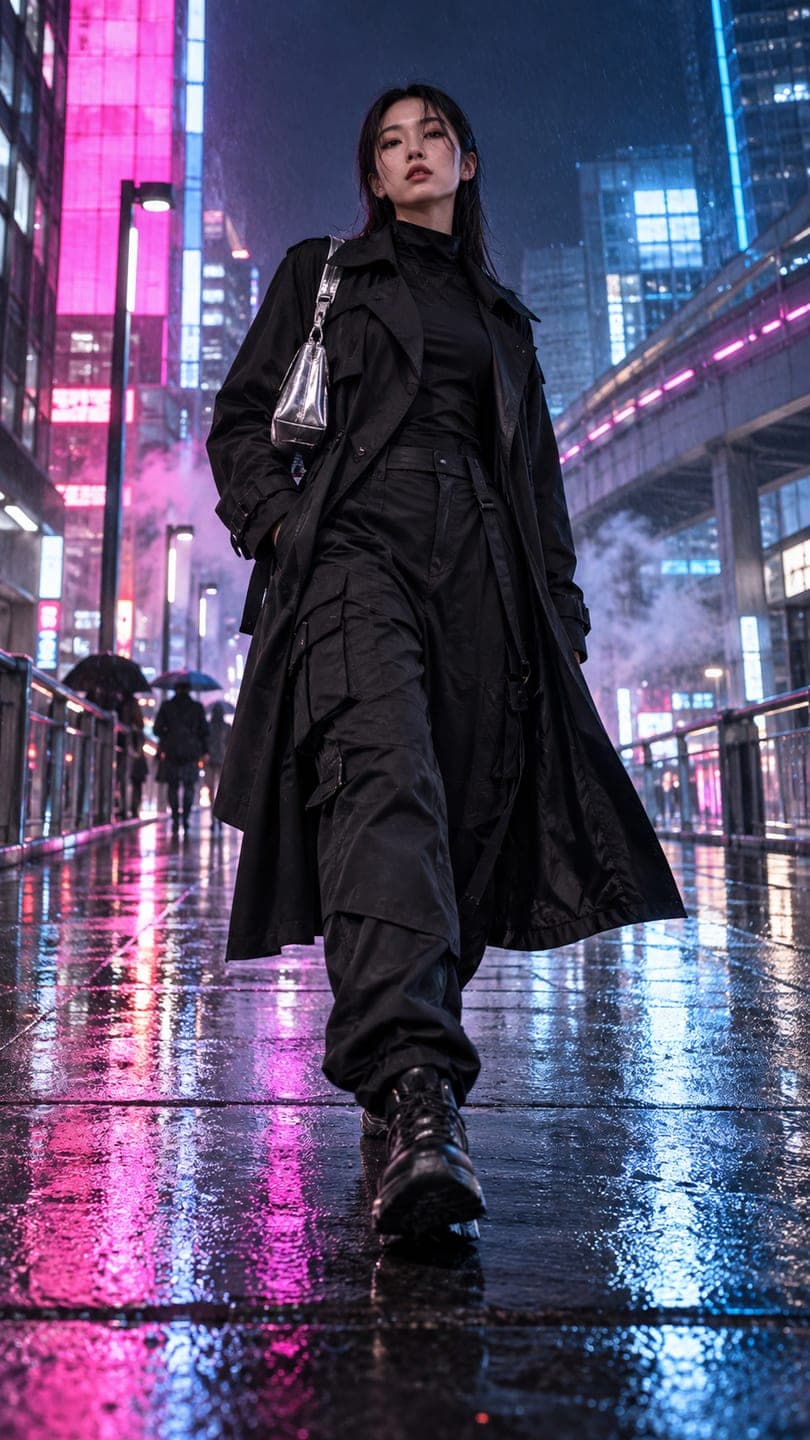 Neo-Tokyo techwear
1 Pick a look · optional
We put you into this example — everything else stays as it is — then it moves like the example, at no extra cost.
Failed renders refund credits
Does YouTube allow AI-generated videos?
Yes. YouTube allows videos made with AI tools, and many successful channels use AI for visuals, voiceovers, editing or ideas. YouTube's concern isn't the tool; it's whether the content is original, honest and valuable to viewers. A thoughtful video that uses AI clips is treated like any other video. A channel uploading hundreds of near-identical AI clips with no real input is a different story.
Policies change, so read the current YouTube Partner Program policies and the help pages on altered or synthetic content before building a channel around AI. This is a practical summary, not legal advice. The two pages to start with are YouTube's channel monetization policies and its guide to disclosing altered or synthetic content.
What are the monetization requirements?
To earn ad revenue you need to join the YouTube Partner Program. The commonly cited thresholds are 1,000 subscribers plus either 4,000 public watch hours in the last 12 months or 10 million valid Shorts views in the last 90 days, but check the current figures in YouTube Studio. Once accepted, your videos must keep meeting the monetization policies, advertiser-friendly guidelines and community guidelines.
- Join the Partner Program and meet its thresholds.
- Follow the monetization policies, including those on inauthentic content.
- Keep videos advertiser-friendly to earn full ad revenue.
- Disclose realistic altered or synthetic content where required.
Try this look on your own photo.
Make it with my photoWhat AI content isn't monetized?
- Mass-produced videos made from a template with little variation.
- Repetitive uploads that differ only slightly from each other.
- Reused content, such as clips from others, with no meaningful commentary or editing.
- Slideshows or text-to-speech videos with no original contribution.
- Misleading AI content about real people or events.
Do I have to disclose AI content?
YouTube asks creators to disclose when realistic content has been meaningfully altered or synthetically generated, for example a realistic person saying or doing something they didn't, or a real place or event changed in a way viewers could believe. You tick a box in YouTube Studio during upload, and a label appears on the video. Clearly unrealistic content, like fantasy or animation, and minor edits like color correction generally don't need it. Disclosure doesn't hurt monetization by itself. Our AI labeling guide covers the other platforms too.
How do I make AI videos that do get monetized?
- Add your own voice: commentary, narration, a script or a story.
- Use AI clips as part of an edit, not the whole thing.
- Make series with a clear format and real topics.
- Show your process, opinions or expertise.
- Vary each video: different ideas, not just different prompts.
AI clips work well as B-roll, intros and visual explanations. For example, a travel channel might add 3D parallax clips of real trip photos, or a fashion channel might preview looks with AI before trying them on.
Can AI Shorts make money?
Yes, Shorts in the Partner Program earn a share of ad revenue from the Shorts feed. The same originality rules apply: reposting other people's clips or flooding the feed with near-identical AI Shorts won't do well and may not be eligible. Original Shorts with a clear hook, like a trend look, a before-and-after or a short story, are the kind that grow channels. See best AI tools for YouTube Shorts for formats.
Do I own the AI clips I use?
Ownership and rights depend on the tool's terms and your local law. On Dromana, results made on a paid plan or with a pack you bought can be used commercially, which includes monetized videos; results made only with free credits are for personal use. You need the rights to any photo you upload, and you shouldn't use other people's faces without permission.
How do I start?
Make a few clips for your next video in AI Video: a 5-second clip on Dromana uses 70 credits, and wide 16:9 clips suit regular YouTube videos while vertical ones suit Shorts. New accounts get 140 free credits with no card. Any pack, from $4.99 for 6 videos, removes the badge and covers commercial use. For prompts, see what is text-to-video AI.
Questions people ask
Can you monetize AI videos on YouTube?
Yes, if they're original, add value and follow the Partner Program and monetization policies.
What AI content can't be monetized?
Mass-produced, repetitive or reused content with little human input, and misleading content.
Do I need to disclose AI content on YouTube?
Yes for realistic altered or synthetic content that could be mistaken for real; tick the box in YouTube Studio.
Does the AI label hurt monetization?
Not by itself; the content still has to meet the monetization policies.
Can AI Shorts earn money?
Yes, in the Partner Program, if they're original and not repetitive.
Can I use Dromana clips in monetized videos?
Yes, if made on a paid plan or with a pack you bought.
Effects from this guide

Keep reading


Ready to make yours?
Add one photo and get the look from this guide.