Are AI videos allowed on TikTok? The rules, labels and what gets removed
By Daniel Hughes, Safety, rights and family memories · Updated · 4 min read
the short version
Yes, AI-generated videos are allowed on TikTok. The main rules: label realistic AI content using TikTok's AI-generated label, don't use AI to mislead people about real events, don't impersonate real people or make fake endorsements, and follow the same community guidelines as any other post. Content made of yourself or fictional people, clearly labeled, is fine.
AI Photo to Video
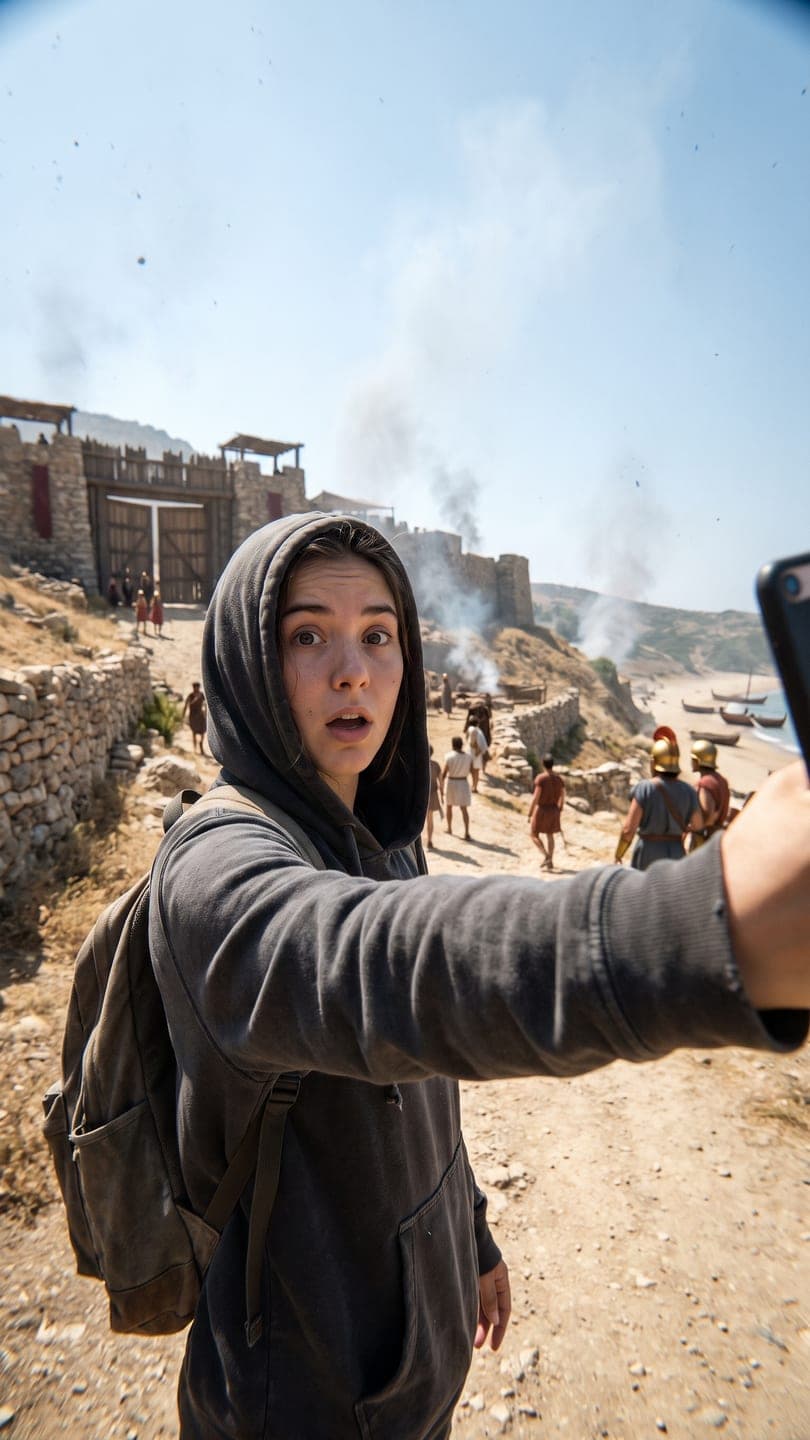 Time-travel vlog
1 Pick a look · optional
We put you into this example — everything else stays as it is — then it moves like the example, at no extra cost.
Failed renders refund credits
Does TikTok allow AI-generated videos?
Yes. TikTok allows AI-generated and AI-edited content, and a lot of the platform's trends now involve AI effects. What TikTok cares about is transparency and harm: viewers should be able to tell when a realistic video was made with AI, and AI shouldn't be used to deceive people, harass them or spread false information.
Rules change, so check TikTok's current Community Guidelines and its help pages on AI-generated content before posting anything sensitive. What follows is a practical summary, not legal advice.
Do I have to label AI videos?
TikTok asks creators to label content that is fully generated or significantly edited by AI when it shows realistic scenes or people. You can switch on the AI-generated content label in the post settings before publishing. TikTok may also add the label automatically when it detects content credentials attached by AI tools. Labeling doesn't reduce your reach by itself; removing the label from realistic AI content can get a post taken down. TikTok explains the label and what counts in its AI-generated content guidelines.
- Label realistic AI videos of people or places.
- Label AI edits that change what really happened.
- Obvious cartoons and clearly fantastical effects are lower risk, but labeling is still the safe choice.
- Our AI labeling guide shows where the setting is on each platform.
Try this look on your own photo.
Make it with my photoWhat kinds of AI content get removed?
- Realistic AI videos of real people saying or doing things they didn't, especially public figures.
- Fake endorsements: AI people presented as real customers or celebrities recommending a product.
- Misleading AI content about news, elections, disasters or health.
- AI content that harasses, bullies or sexualizes anyone, including minors.
- Videos that hide the AI label on realistic content to deceive viewers.
What's safe to post?
- AI videos of yourself, like trend looks, glow-ups and fantasy scenes.
- Clips of friends who agreed to be in them.
- Fictional characters and AI people that aren't presented as real customers.
- Animated photos of your pets, products or travel photos.
- Clearly labeled creative edits and effects.
Formats like the time-travel vlog, the angel wings trend or the kiss cam trend are typical examples of AI content that's fine when labeled.
Can I use AI videos for TikTok Shop and ads?
Yes, with extra care. Ads and Shop listings must show products accurately and follow advertising rules on testimonials: an AI presenter is fine as a format, but don't present an AI person as a real satisfied customer or claim results the product can't deliver. Make sure you have the rights to the photos you use. On Dromana, results from a paid plan or a bought credit pack can be used commercially. See TikTok Shop holiday videos for formats.
Will AI videos get less reach?
Not because they're AI. TikTok's recommendation system ranks videos by how people watch and engage, and many AI trend videos perform very well. What hurts reach is the usual stuff: weak hooks, long intros and content that feels like spam. Low-effort, mass-produced AI clips tend to do poorly. A clear hook in the first second and a short loop matter more than how the video was made. Our best AI video apps for TikTok guide has formats that work.
Do the same rules apply on Instagram and YouTube?
Broadly, yes. Instagram and Facebook ask for realistic AI content to carry an AI label and add one automatically when they detect it. YouTube asks creators to disclose realistic altered or synthetic content in YouTube Studio when it could be mistaken for real. All three prohibit misleading content about real people and events. The details differ, so check each platform's help pages, but the habits are the same everywhere: label realistic AI, don't impersonate people and don't fake reviews or news. See Meta's approach to labeling AI-generated content and YouTube's help page on disclosing altered or synthetic content.
How do I make a TikTok-ready AI video?
Make it vertical, five to ten seconds, with the payoff early. On Dromana, upload a photo in AI Video or pick a look, which is already 9:16. A 5-second Dromana clip uses 70 credits; new accounts get 70 free credits with no card. Before posting, switch on TikTok's AI-generated label.
Questions people ask
Are AI videos allowed on TikTok?
Yes, as long as they follow TikTok's rules on labeling, misleading content and impersonation.
Do I need to label AI videos on TikTok?
Yes for realistic AI content. Turn on the AI-generated content label before posting.
What AI content does TikTok remove?
Fake videos of real people, fake endorsements, misleading content about real events and harassment.
Can I post AI videos of myself?
Yes. AI videos of yourself, labeled, are fine.
Do AI videos get less reach on TikTok?
Not because they're AI; reach depends on how people watch and engage.
Can I use AI videos in TikTok ads?
Yes, if products are shown accurately and AI people aren't presented as real customers.
Effects from this guide

Keep reading


Ready to make yours?
Add one photo and get the look from this guide.