Best AI UGC ad tools: creator-style product videos without hiring creators
By Sebastian Ward, Reviews and comparisons editor · Updated · 4 min read
the short version
UGC-style ads look like a real person reviewing a product on their phone. AI tools make them in two ways: talking AI presenters (Arcads, Creatify, HeyGen, MakeUGC) that read a script, and scene tools like Dromana that put a product into creator-style review and unboxing shots from one photo. Whatever you use, don't present AI people as real customers.
AI Photo to Video
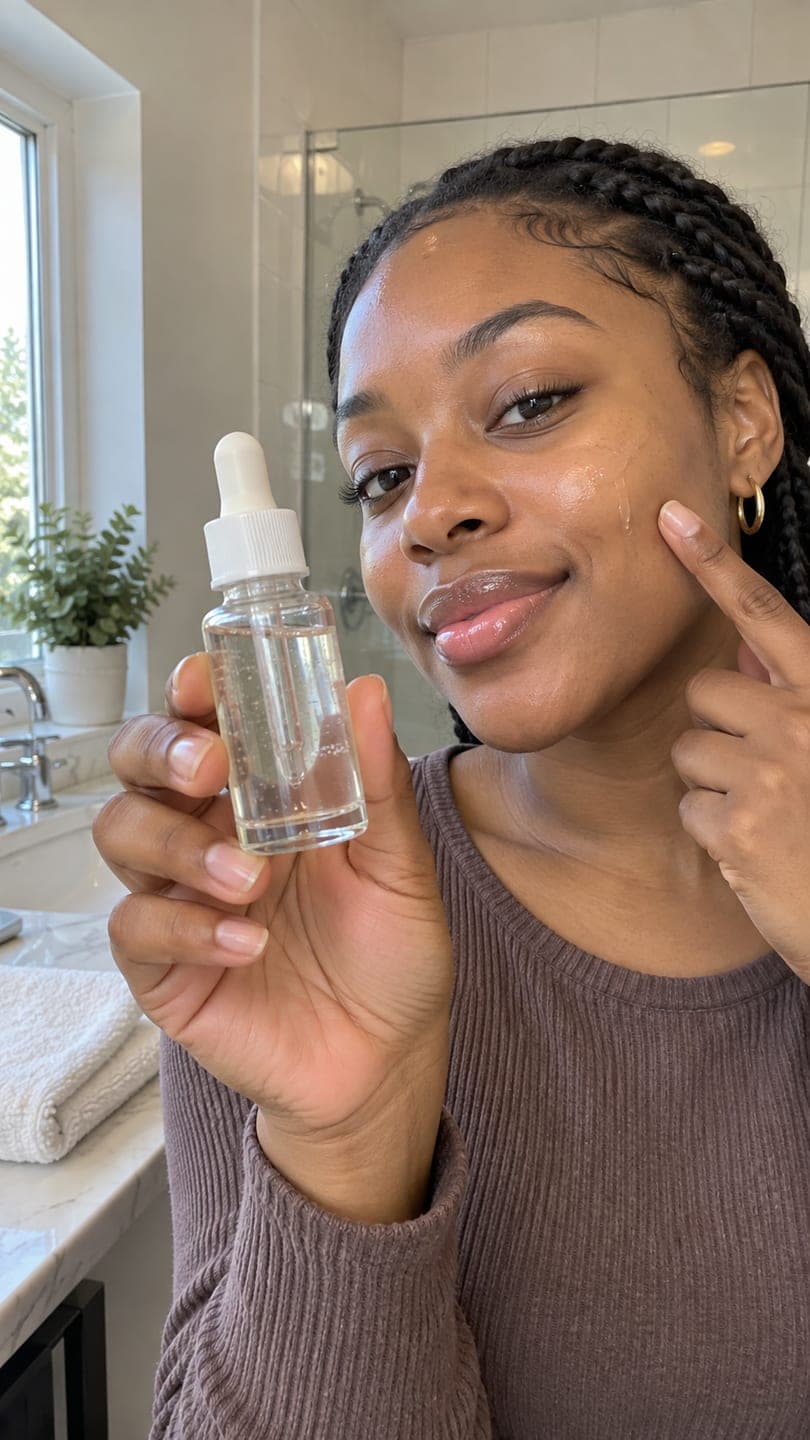 Serum review
1 Pick a look · optional
We put your product into this example — everything else stays as it is — then it moves like the example, at no extra cost.
Failed renders refund credits
Why do UGC-style ads work so well?
UGC, short for user-generated content, is the style of ad that looks like a normal person filmed it: a creator holding a serum up to the camera, unboxing a bag, trying on headphones. It outperforms polished brand ads on TikTok and Instagram because it feels native to the feed. Hiring creators for every product and every test, though, gets expensive fast, which is why AI UGC tools exist.
Our disclosure: Dromana is our own product, listed with tools we have no stake in.
Which AI UGC ad tools are best?
- Arcads: AI actors that deliver your script in a creator style.
- Creatify: product-URL-to-video ads with AI presenters.
- HeyGen: avatar presenters and translations for ad scripts.
- MakeUGC: script-based UGC ads with AI creators.
- Dromana: creator-style product scenes, like a serum review, bag review or sneaker review, from one product photo.
- Canva: adding hooks, captions and offers on top.
Try this look on your own photo.
Make it with my photoWhich tool keeps the product most accurate?
In UGC, the product is the star, so it must look exactly like what customers receive. Dromana's review looks rebuild a creator-style shot around your product photo and keep its shape, label and color: try the serum review, bag review, headphone review and sneaker review. A look video uses 70 credits; credit packs start at $8 for 500 credits, and results from a paid plan or a bought pack can be used in ads. Check every frame for label changes before running an ad.
Is it honest to use AI people in ads?
It can be, if you don't mislead. An AI person presenting a product is fine as a format; an AI person presented as a real, satisfied customer is not, and in many places it breaks advertising rules on testimonials and endorsements. Don't invent reviews, don't claim results the product can't deliver, and label AI content where platforms ask. Our guide to labeling AI content covers platform rules.
How do I test UGC ads efficiently?
Step 1
Pick one product and one claim
Keep the test simple.
Step 2
Make three versions
Different scenes or hooks, same product and offer.
Step 3
Run them side by side
Same budget, same audience, for a few days.
Step 4
Keep the winner
Make more versions of what worked, drop the rest.
More on product video formats in the best AI product video tools and best AI video tools for small business.
What does a good UGC script look like?
Real creator reviews follow a loose pattern, and AI UGC ads work best when they copy it. Open with a hook that names a problem in the viewer's words, show the product in the first two seconds, give one specific result, add one honest detail that makes it believable, and end with a simple call to action. Keep it under 20 seconds for most placements. Write the way people talk, with short sentences and no marketing phrases, and test two or three hooks against each other rather than polishing one.
When should I still hire real creators?
AI UGC is great for testing hooks and producing variations cheaply, but real creators still win in some situations: products where trust depends on a real person's experience, such as skincare results or supplements; launches where the creator's own audience matters as much as the video; and any ad that relies on a genuine testimonial. A common approach is to test angles with AI first, then brief real creators on the winning angle.
Which UGC tool should I choose?
- Talking AI creators reading your script: Arcads, Creatify or MakeUGC.
- Presenter avatars and translations: HeyGen.
- Creator-style product scenes from one photo: Dromana.
- Hooks, captions and offers: Canva.
To try a creator-style scene with your own product, upload a clean photo on the product photo to video page.
Questions people ask
What is the best AI UGC ad tool?
Arcads, Creatify or MakeUGC for talking AI creators; HeyGen for presenter avatars; Dromana for creator-style product scenes from one photo.
What is a UGC ad?
An ad styled like a normal person filmed it on their phone, such as a product review or unboxing.
Is it legal to use AI people in ads?
Using an AI presenter is generally fine; presenting AI people as real customers or inventing reviews is not.
Will AI keep my product accurate?
Product-focused tools are built to, but always check the label and color frame by frame.
How much do AI UGC ads cost?
On Dromana a product look video uses 70 credits; packs start at $8 for 500 credits.
How do I test UGC ads?
Make three versions of one product and claim, run them side by side, and keep the winner.
Effects from this guide

Keep reading
 Best AI product video tools for small sellers in 20264 min read
 Best AI video tools for small business marketing in 20264 min read
 Best AI tools for Black Friday and Cyber Monday ads in 20264 min read
 Best AI influencer generators in 2026: virtual influencers, AI creators and you in every trend5 min read
- TikTok Shop holiday videos: product video ideas from Black Friday to Christmas5 min read
Ready to make yours?
Add one photo and get the look from this guide.