What is a deepfake, and how is it different from a fun AI video of yourself?
By Daniel Hughes, Safety, rights and family memories · Updated · 4 min read
the short version
A deepfake is AI-made video, audio or imagery that makes a real person appear to say or do something they didn't, usually without their agreement. The technology overlaps with harmless AI videos of yourself; the difference is consent and deception. Use only photos of people who agreed, never mislead, and report fakes made of you.
AI Photo Restyle
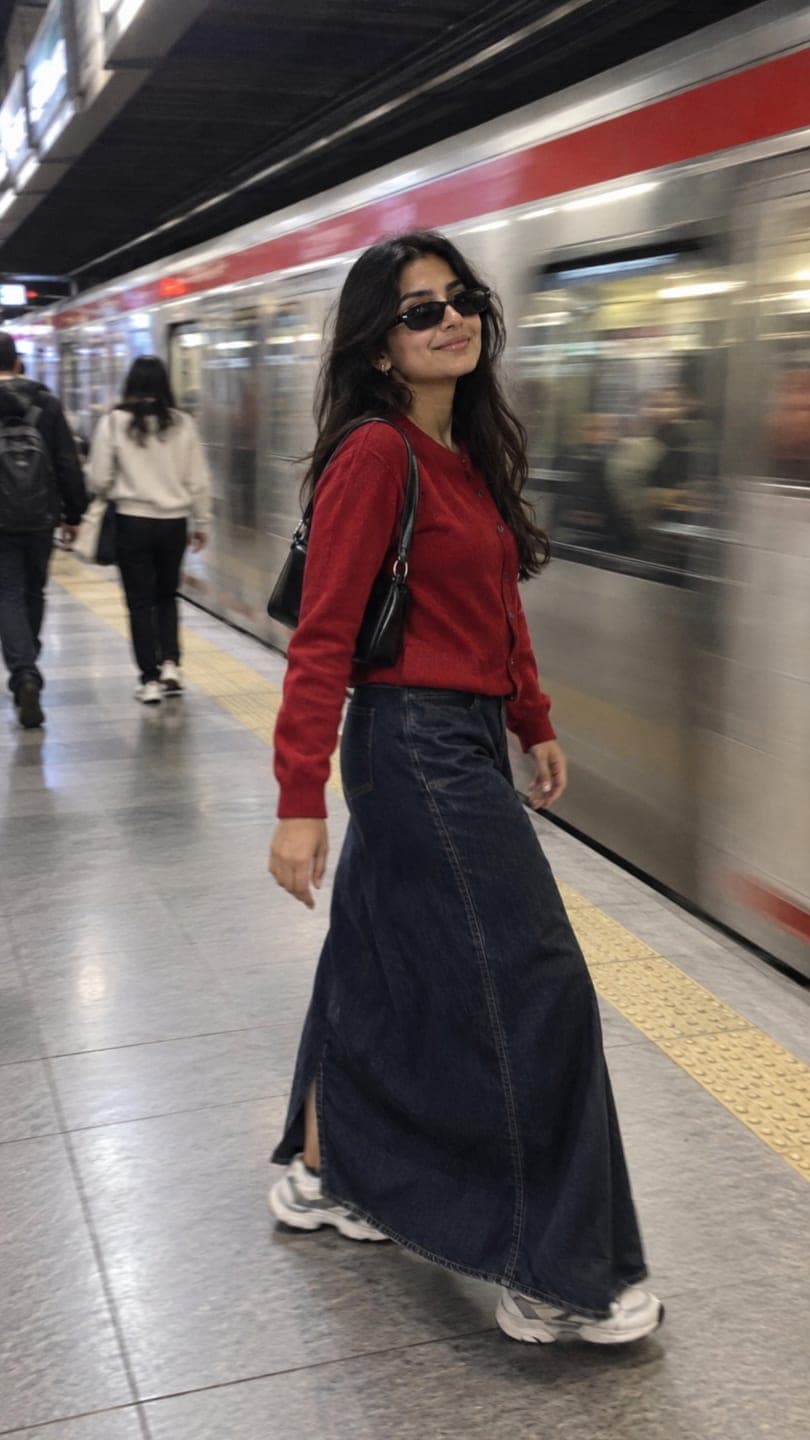 Subway candid
1 Pick a look · optional
We put you into this example and keep everything else the same.
Failed renders refund credits
What does 'deepfake' actually mean?
The word combines deep learning, a family of AI techniques, with fake. It's used for media that convincingly shows a real person doing or saying something they never did: a face placed on someone else's body, a cloned voice reading a script, or a video of a public figure making a statement they never made.
What turns AI media into a deepfake in the everyday sense isn't the technology alone. It's that a real, identifiable person is shown in a false situation, usually without their agreement, often in a way meant to fool viewers. That's why the term carries a negative meaning, and why many countries have started to legislate against harmful uses.
Is every AI video of a real person a deepfake?
No. If you upload a selfie and turn it into a snow globe clip or a 90s camcorder video of yourself, a real face is involved, but you made it, you agreed to it and nobody is being misled. Most people wouldn't call that a deepfake, any more than a photo filter is a forgery.
- You, with your agreement, in an obviously stylised clip: an AI video, not a deepfake.
- A friend who said yes, for a birthday surprise: fine, as long as they're happy with the result.
- Someone who didn't agree, in a romantic, embarrassing or misleading scene: harmful, and banned on most apps.
- A public figure shown saying something they never said, presented as real: a deepfake, and potentially illegal.
Try this look on your own photo.
Make it with my photoWhy does consent matter so much?
Because the harm from a deepfake falls on the person shown, not the person making it. Fake intimate imagery, fake confessions and fake endorsements have damaged reputations, relationships and finances. The person in the photo deserves a say in how their face is used, especially in anything romantic, revealing or presented as real.
Dromana's safety rules draw the line there. Use photos of yourself, of friends or partners who are fine with it, or photos you have the rights to. Using someone's face without permission in a romantic, intimate or revealing look, making someone appear to do something they didn't, or sharing results to humiliate anyone are not allowed, and some prompts and photos are blocked automatically.
How can you spot a deepfake?
Detection gets harder as models improve, so judgment matters more than any single clue. Visual hints include blurring where the face meets the hair or neck, teeth and ears that change shape, lighting on the face that doesn't match the room, and blinking or lip movement that feels slightly off. With audio, flat emotion or odd breathing can give it away.
Context is often a stronger clue than pixels. Ask who posted it first, whether reputable sources report the same thing, and whether it seems designed to provoke outrage. Platforms are also adding AI labels; our guide on how to label AI content explains how those work.
What should you do if someone makes a deepfake of you?
- Don't engage with the person who posted it; save the link and take screenshots.
- Report it to the platform using its impersonation or non-consensual imagery option.
- If it was made with a specific app, report it to that app too; most will remove it.
- For intimate or threatening content, contact local police and specialist support services.
- Tell people you trust, so they know it's fake if they see it.
If a clip or image made with Dromana shows you without your consent, email us with the share link or a screenshot, as described on our safety page. We review every request and aim to act within 48 hours. Our guide to AI photo app privacy covers what happens to the photos you upload.
How do you make AI videos the right way?
Start with your own photos, keep friends in the loop, and choose styles that are clearly creative rather than realistic impersonation. Trend formats, such as a holiday scene, a cartoon or a time-travel vlog, are made for this: obviously AI, obviously fun, and shared by the person in them.
To try one with a selfie, open AI Video and pick a look, or browse this week's formats on trending now. For questions about rights and commercial use, read who owns AI-generated videos.
Questions people ask
What is a deepfake in simple terms?
AI-made media that makes a real person appear to do or say something they didn't, usually without their agreement and often to mislead.
Is making an AI video of myself a deepfake?
Not in the usual sense. You agreed to it and nobody is being deceived, especially with obviously stylised looks.
Can I make an AI video of a friend?
Yes, if they've agreed and they're happy with the result. Never use someone's face in a romantic, revealing or embarrassing scene without permission.
Are deepfakes illegal?
It depends on the country and the content. Many places now have laws against non-consensual intimate deepfakes and fraud. This isn't legal advice.
How do I report a deepfake of me?
Report it to the platform where it's posted and to the app used to make it. For Dromana, email the address on our safety page.
Does Dromana allow celebrity faces?
No. You need the person's agreement and rights to the photo, and impersonating anyone is against our rules.
Effects from this guide

Keep reading
 Who owns AI-generated videos and images? Copyright and usage rights explained4 min read
 Do you have to label AI pics and videos on TikTok, Instagram and YouTube?4 min read
 Are AI photo apps safe? What happens to your selfies4 min read
 Are AI videos allowed on TikTok? The rules, labels and what gets removed4 min read
 Can you monetize AI videos on YouTube? What the rules actually say4 min read
Ready to make yours?
Add one photo and get the look from this guide.