Aesthetics
How to make your pics look cinematic (even on a phone)
By the Dromana team · Updated · 4 min read
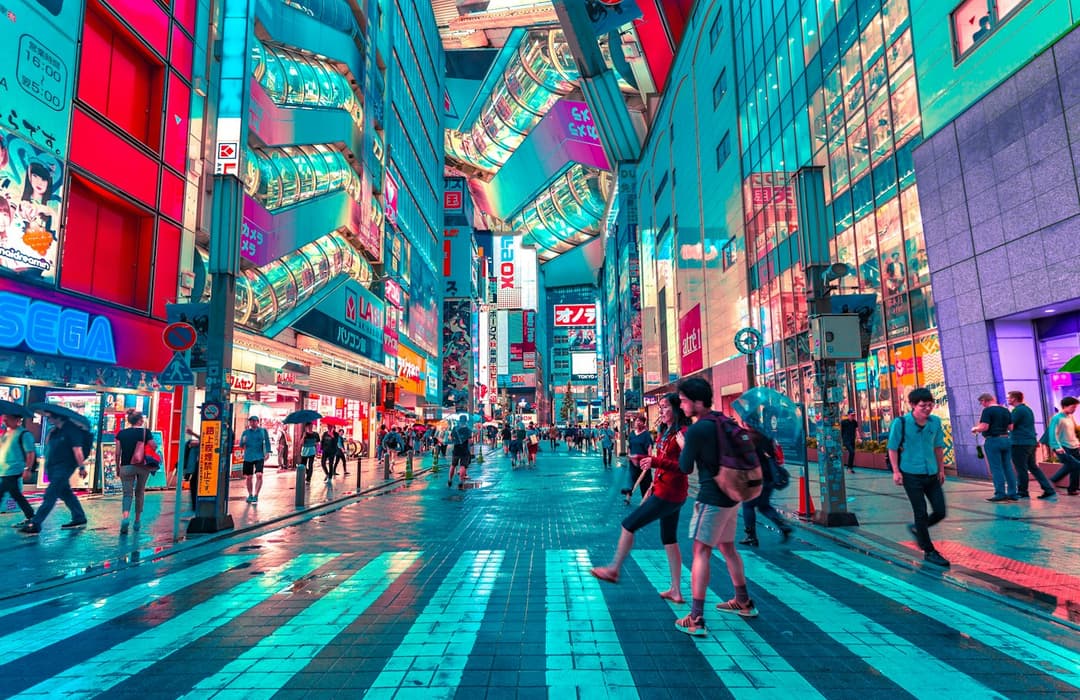
Neon crossing
Made with Dromana. Tap to start from this look.
The short version
Photos look cinematic when they have motivated light (a clear light source like a window, neon sign or low sun), strong color contrast such as teal shadows against warm highlights, deliberate wide framing with space around the subject, and atmosphere like rain, haze or reflections. Shoot at golden or blue hour, frame wide, then grade gently.
What "cinematic" actually means
People call a photo cinematic when it feels like a frame paused from a movie. That feeling comes from choices a cinematographer makes on purpose: where the light comes from, which colors fight each other, how much empty space surrounds the subject, and whether the air itself has texture. Your phone can do all of this; it just won't do it automatically.
1. Light with a reason
Movie scenes are lit by something you can believe: a lamp, a window, a streetlight, headlights, a phone screen, the sunset. Phones love to flatten light so everything is evenly bright, which is exactly what kills the mood. Find one strong light source and put your subject next to it.
- Side light from a window gives drama and shape to faces.
- Neon signs and shop windows at night give colored light for free.
- Backlight from a low sun gives a glowing rim around hair.
- Tap to expose for the bright areas so shadows stay dark and moody.
Try it on your own photo. Browse free, sign in when you generate.
Try the cinematic filter2. Shoot at golden hour or blue hour
The hour after sunrise and before sunset gives warm, low, directional light. Blue hour, the short window after sunset, gives deep blue skies with warm city lights switching on. Both look far more like film than midday sun, which is flat from above and harsh on faces.
3. Frame wider than feels natural
Selfie instincts put a face in the middle of the frame. Film framing leaves room. Step back, put the subject on one third of the frame, and let the environment tell part of the story. Leading lines like roads, rails or corridors pull the eye through the image. If your phone has a 0.5x or 2x lens, try both; different focal lengths change the mood a lot.
4. Add atmosphere
- Fog, mist or steam from a coffee or a street vent.
- Rain on a window with city lights behind it.
- Dust or smoke caught in a beam of sunlight.
- Shooting through glass, a doorway or foliage for foreground depth.
5. Grade the color like a film
Many movies push shadows toward teal or blue and highlights toward orange, because skin tones pop against cool backgrounds. You don't need to copy that exactly, but a clear color idea helps: warm vs cool, green vs magenta, or one bold color against a muted world.
- Lower highlights and lift shadows slightly for a softer film curve.
- Cool the shadows, warm the highlights.
- Pull saturation down overall, then boost one key color.
- Add very fine grain. A cinematic crop helps too: a wide banner-style crop instantly looks like film.
The shortcut: an AI cinematic grade
Sometimes the photo is flat and the moment is gone. The cinematic photo filter rebuilds the light and atmosphere of city and travel shots, turning a grey afternoon street into a neon night after rain, or a flat skyline into blue hour, while keeping the buildings and layout.
Upload the photo to AI Image and start from Neon crossing, Night city grade, Dusk skyline or Midtown sun. Portraits can go cinematic too; an AI fashion portrait handles editorial light on people.
Make it an actual movie moment
A cinematic still is one step from a cinematic shot. Animate it with animate landscape photos for moving clouds and flickering city lights, or open AI Video and describe a slow camera push-in. A few of these clips make a great opener for a trip recap; see turning photos into a TikTok.
FAQ
How do I make my photos look cinematic on iPhone?
Shoot near one strong light source at golden or blue hour, frame wider with the subject off-center, expose for the highlights, and grade with cool shadows, warm highlights and fine grain.
What makes a photo look like a movie still?
Motivated light, deliberate color contrast, wide framing with negative space and atmosphere like rain, haze or reflections.
What is the cinematic color grade?
A common one is teal and orange: cooler shadows and backgrounds with warmer highlights and skin tones. Any clear, consistent color idea can work.
Can AI make a photo cinematic?
Yes. An AI cinematic filter can relight a city or travel photo into a night or golden-hour scene while keeping the original buildings and layout.
What aspect ratio looks cinematic?
Wide crops like 16:9 or letterboxed banner crops feel filmic. For TikTok and Reels, keep the frame vertical and create the mood with light and color instead.
Effects from this guide
 Cinematic photo filterGive travel and city photos a film-still grade: wet neon streets, blue-hour skylines, golden sunrise flare. Same place, same framing, far more mood.
 Animate landscape photosBring a landscape photo to life: drifting clouds, rolling waves, wind in the trees and city lights that flicker on. One photo in, a 5-second video out.
Keep reading

Your camera roll, but make it move
Pick a look, drop a photo, get a clip or a restyle. Sign in only when you press Generate.
Try the cinematic filter